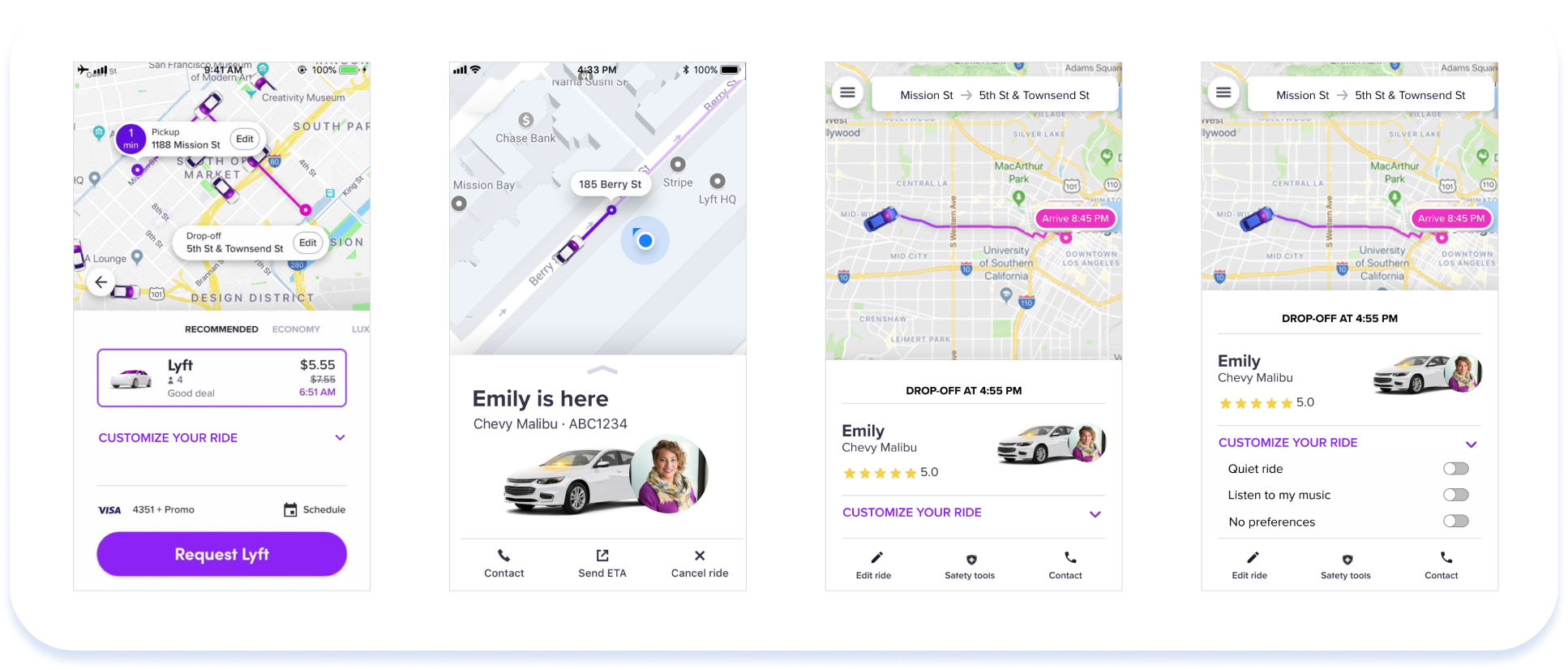
Lyft is a ride-sharing company that was launched in 2012 as Zimride but changed its name to Lyft in 2013. Lyft offers ride services through their mobile app connecting drivers with people that need a ride. They have expanded their services to rent scooters, bikes, and cars. They operate in the United States and Canada.
The Challenge
There is an opportunity to improve Lyft’s user experience during a ride. While focusing on moving people from point A to point B, Lyft can offer the rider the option of customizing their rides to control their experience during the ride.
The Goal
Improve the rider’s experience by adding a new feature that allows them to customize their ride experience.
Responsibilities
User research, UX design, UI design, prototyping, and testing.
To determine if a music feature on Lyft’s app is relevant to their users.
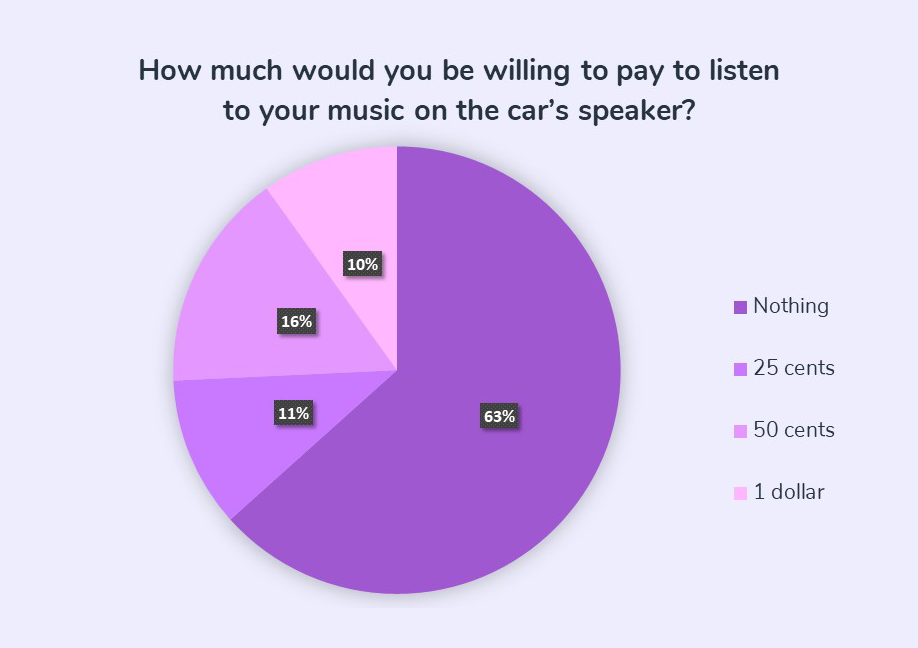
Find out if the user would be willing to pay to use the feature.
Find out how this feature could be implemented.
Discover if competitors have a similar feature.
Research Methodologies
To undercover the motivations, expectations, and frustrations of the riders, I conducted secondary research, analyze the direct competitor and conducted a survey.
Secondary Research Findings
Why people use Lyft?
Some users need to commute and don’t have a car.
Some users prefer not to drive and get stuck in traffic.
After drinking, users prefer not to drive.
To be picked up by the airport.
These objectives can be fulfilled by other services such as Uber (the most popular ride sharing-app) or local cabs/taxis. So, what are the features that differentiates Lyft from its competitors?
Lyft supports non-profit organizations through a donation feature called LyftUP where payments can be rounded up to donate the difference.
To earn miles and points Lyft users can link their account to Delta and Hilton Honor.
What the main competitor is doing differently?
Undoubtfully, Lyft’s main competitor is Uber.
Besides that Uber have expanded its services in other areas such as delivering food, Uber has taken some steps to improve the user experience during the ride such as:
Listen to music during the ride
Uber, a main competitor of Lyft, has partnered with Spotify to allow riders to listen to their playlist music during the ride. To access Spotify from the Uber app, users need to have a Spotify premium subscription.
A quiet ride or chat with driver option
Uber launched a preference in the app that allows the user to let the driver know if the rider chooses to have a quiet ride or a chat during the ride. This option it’s presented to the user only when it takes premium Uber rides such as Uber Black or Uber Black SUV trips. Or users can leave the setting as no preference.
Insights
Lyft has an opportunity to improve its rider experience by providing options in the app that gives the rider control of the ride experience to have a customized ride that goes according to their mood.
Survey Findings
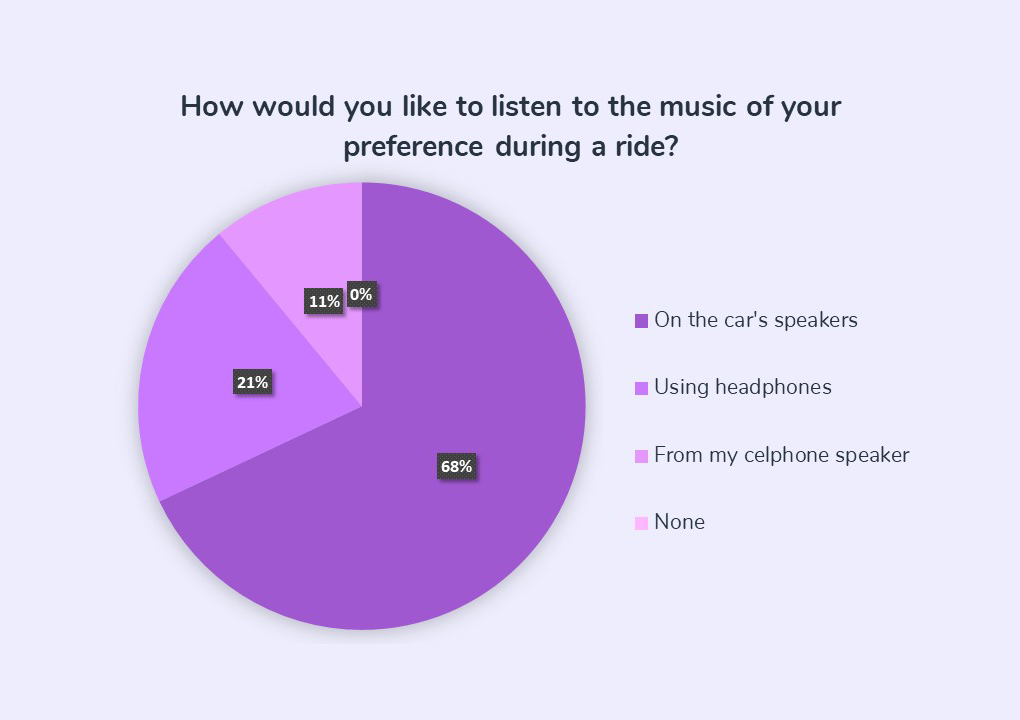
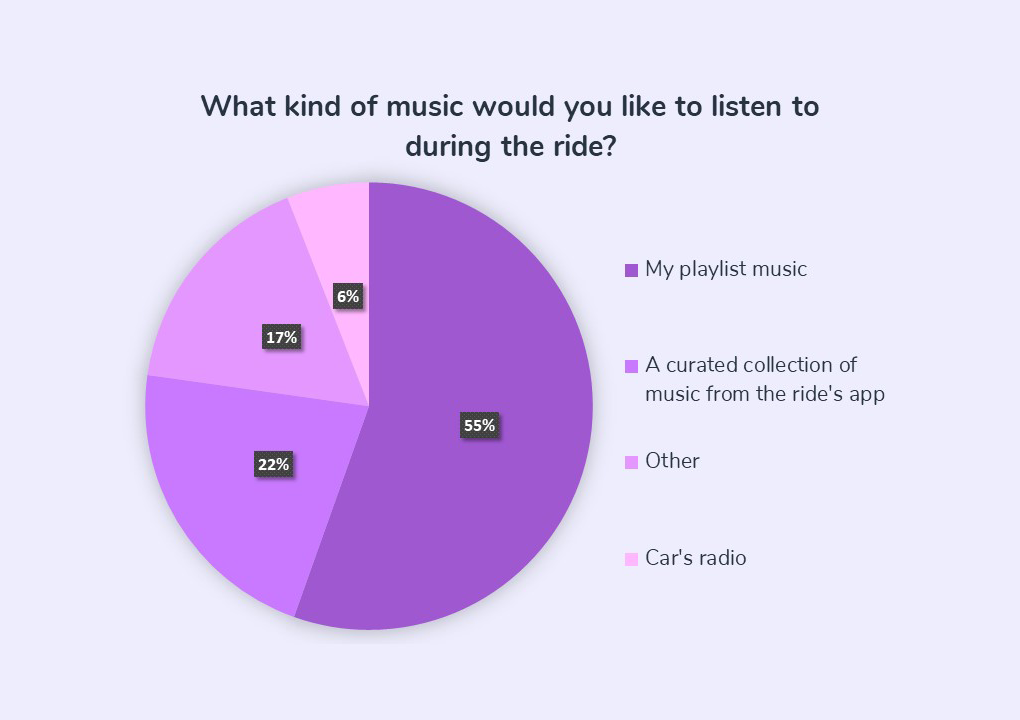
The survey reached the responses of 20 participants. All of them were familiar with a ridesharing app and its services. The survey consisted of 10 questions.
48% of the participants use Lyft a few times a month, while 40 percent of them use it at least once a month.
37% indicated that their rides takes less than 20 minutes, while 32% said that their ride take up to 30 minutes or less.
Key Takeaways
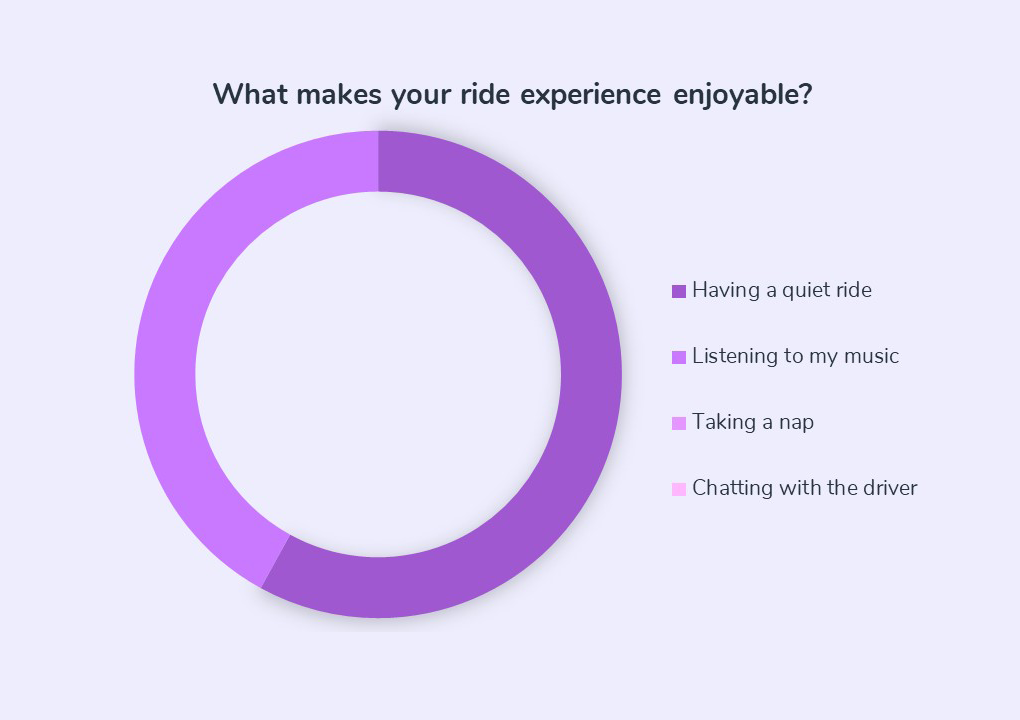
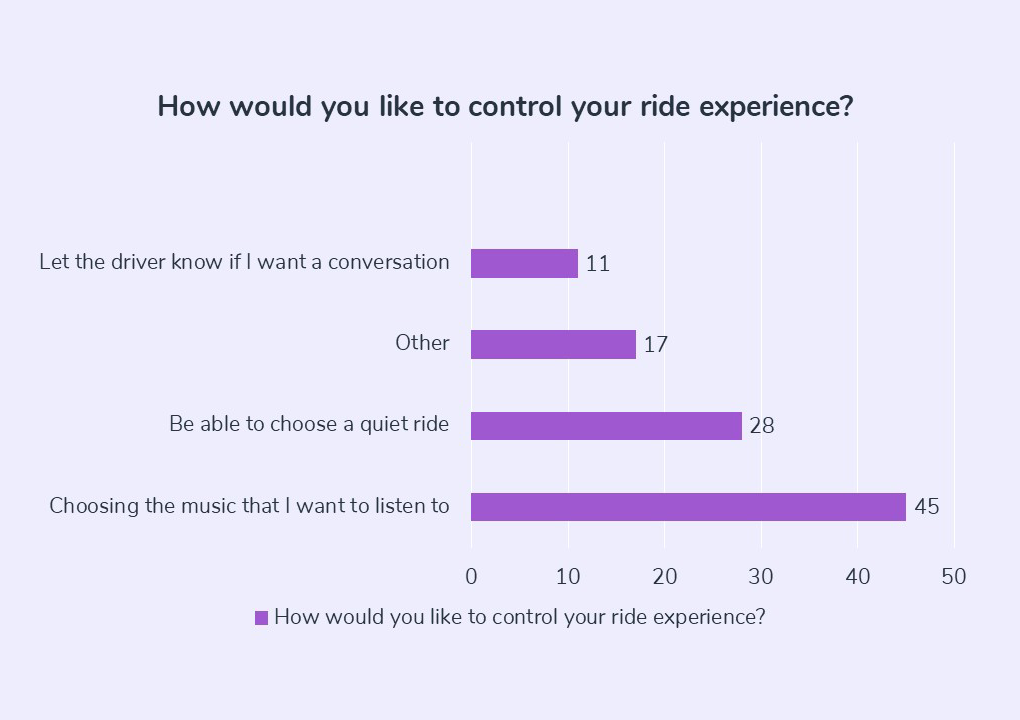
On average, users want to be able to control their ride experience.
Based on the research, the customize your ride feature is a very valuable feature for the user. The assumption was that they wanted to listen to their music through the car’s speakers; However, they also wanted to have a quiet ride.
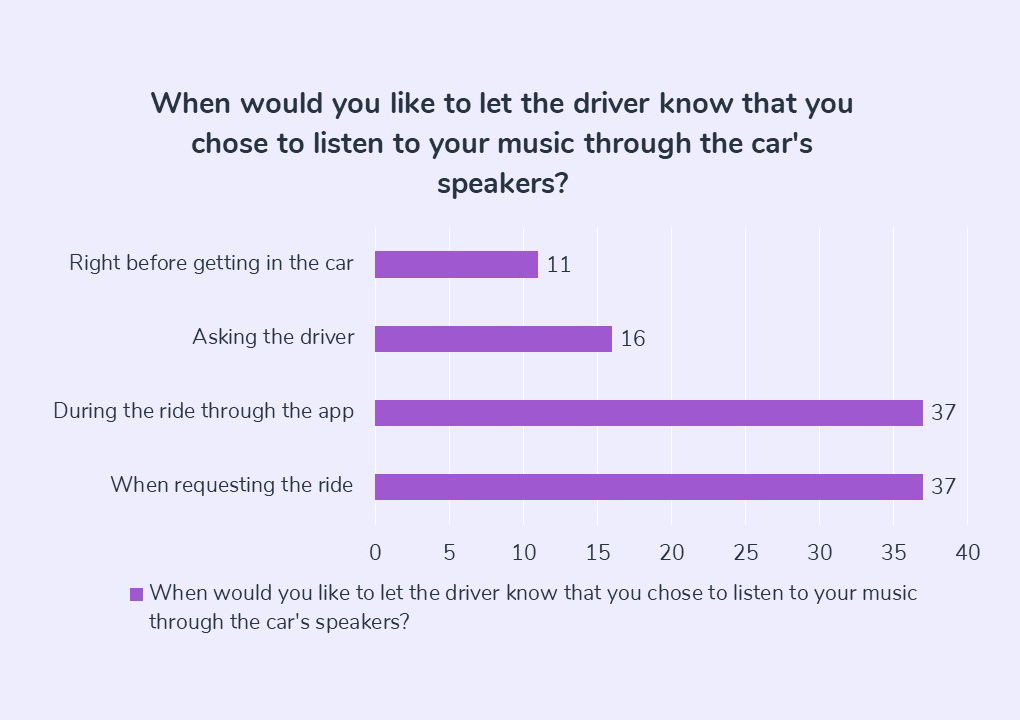
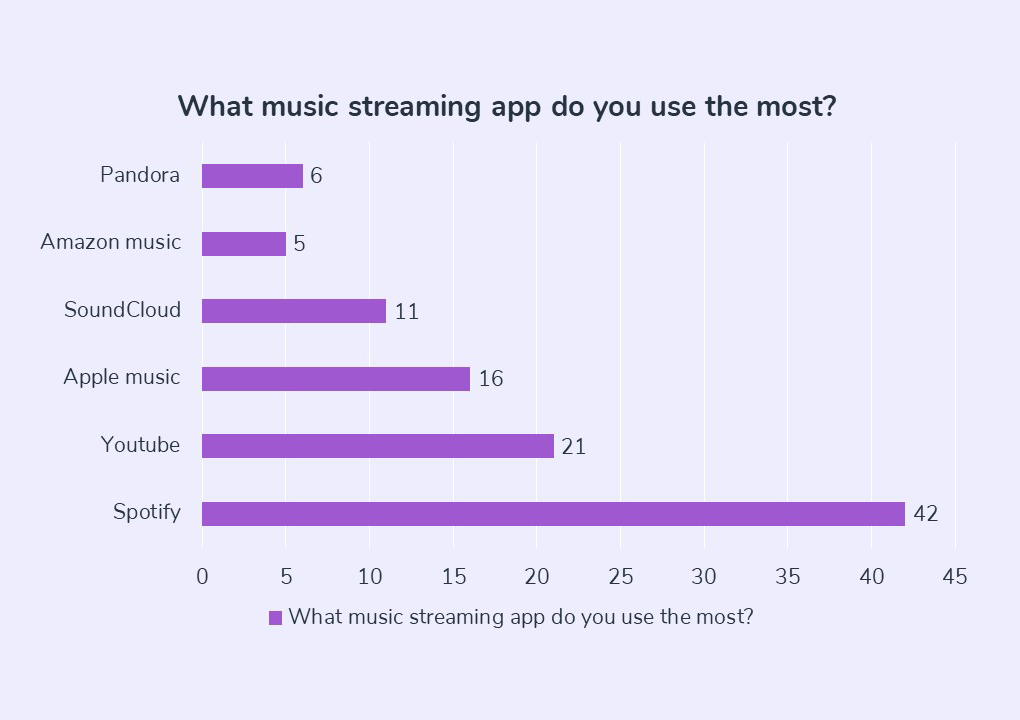
They would like to make these requests while requesting the ride and most of them would like to listen to their playlist music in Spotify.
Define
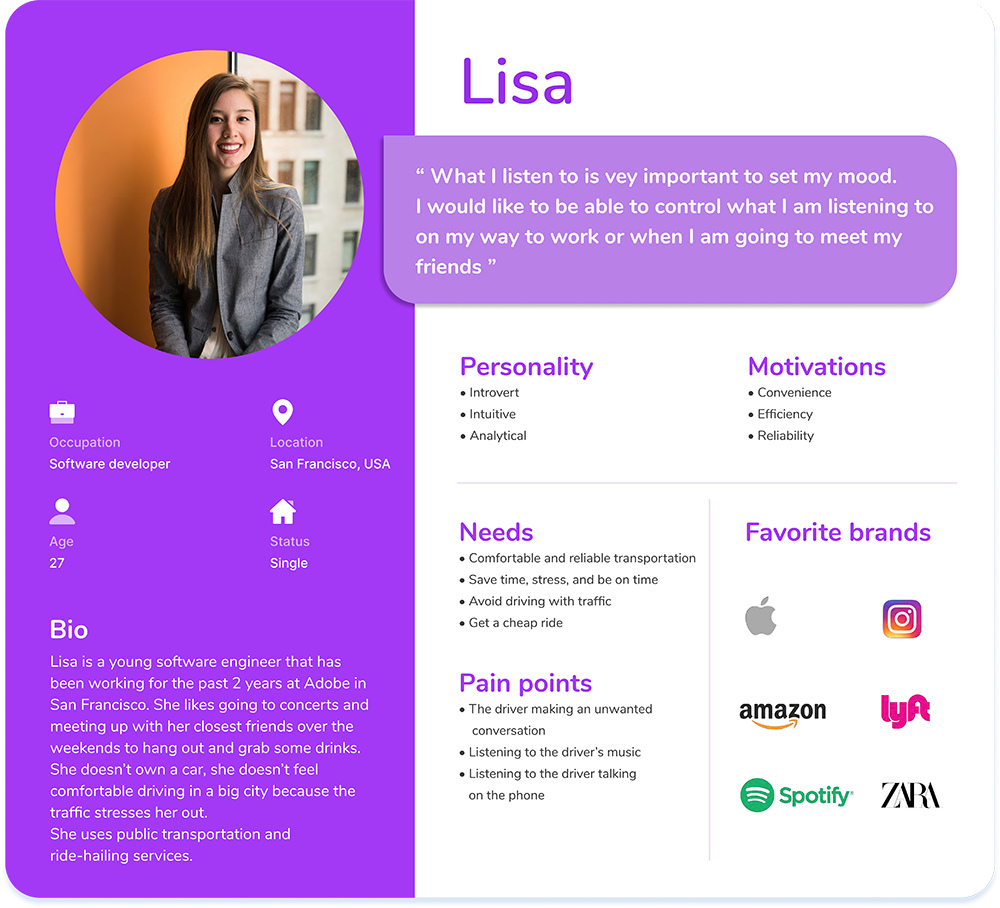
To understand the need for the customization of their ride, I created a persona that represents the target audience that would more likely be interested in this new feature on the Lyft iOS mobile app. At the same time, I identify their pain points and motivations.
Persona
User flow
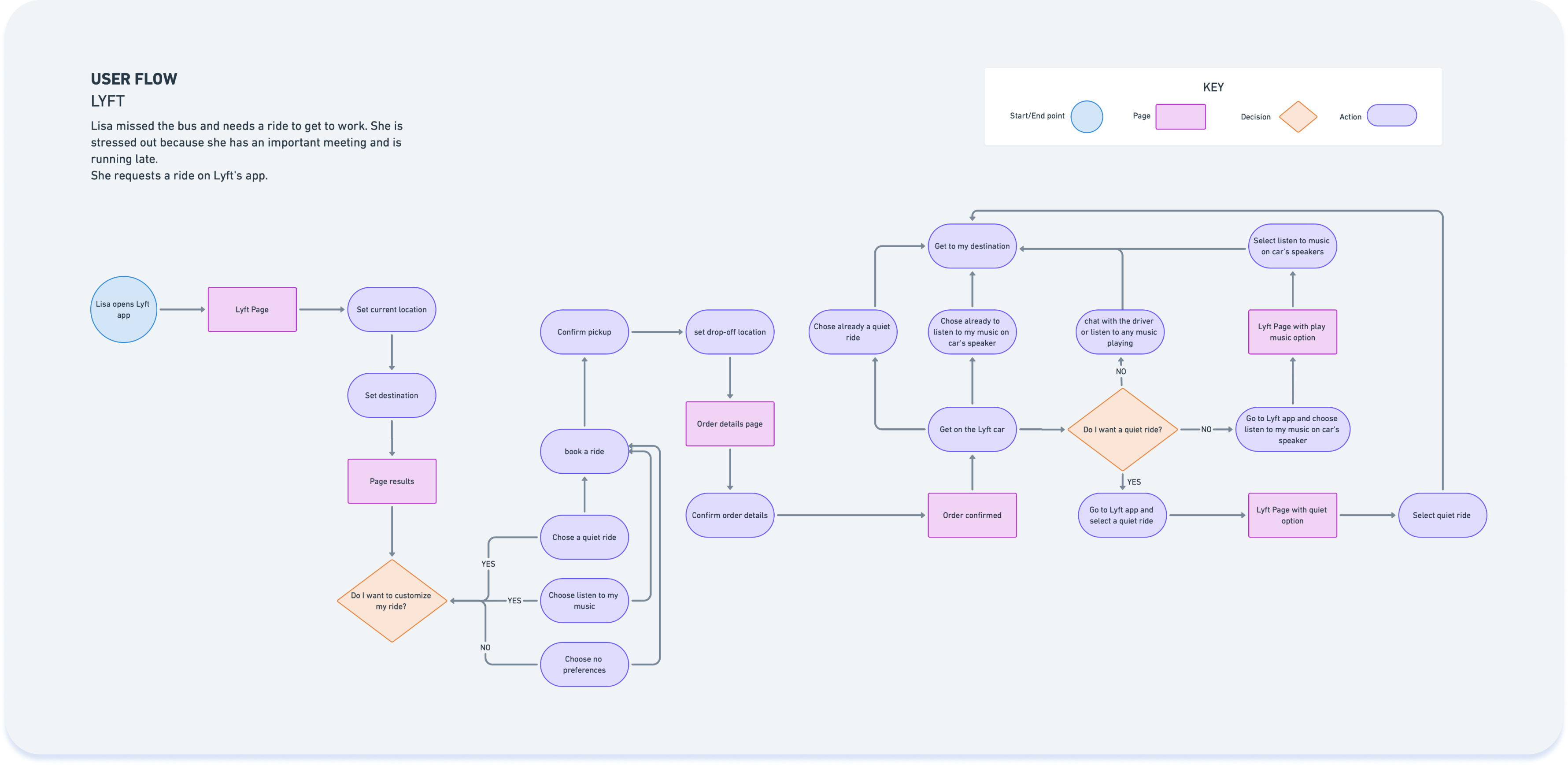
One of the very important factors to be defined about this new feature is in what part of the user experience it would be implemented. Is it going to be when the user is requesting a ride? or is it going to be available during the ride? or both?
According to the survey the user might want to customize their ride when requesting their ride and during their ride.
To determine the implementation of the new feature, I created a user flow. In this flow, we can observe in what point the path of a Lyft’s app user when requests a ride, and during their ride.
Ideation
Storyboard
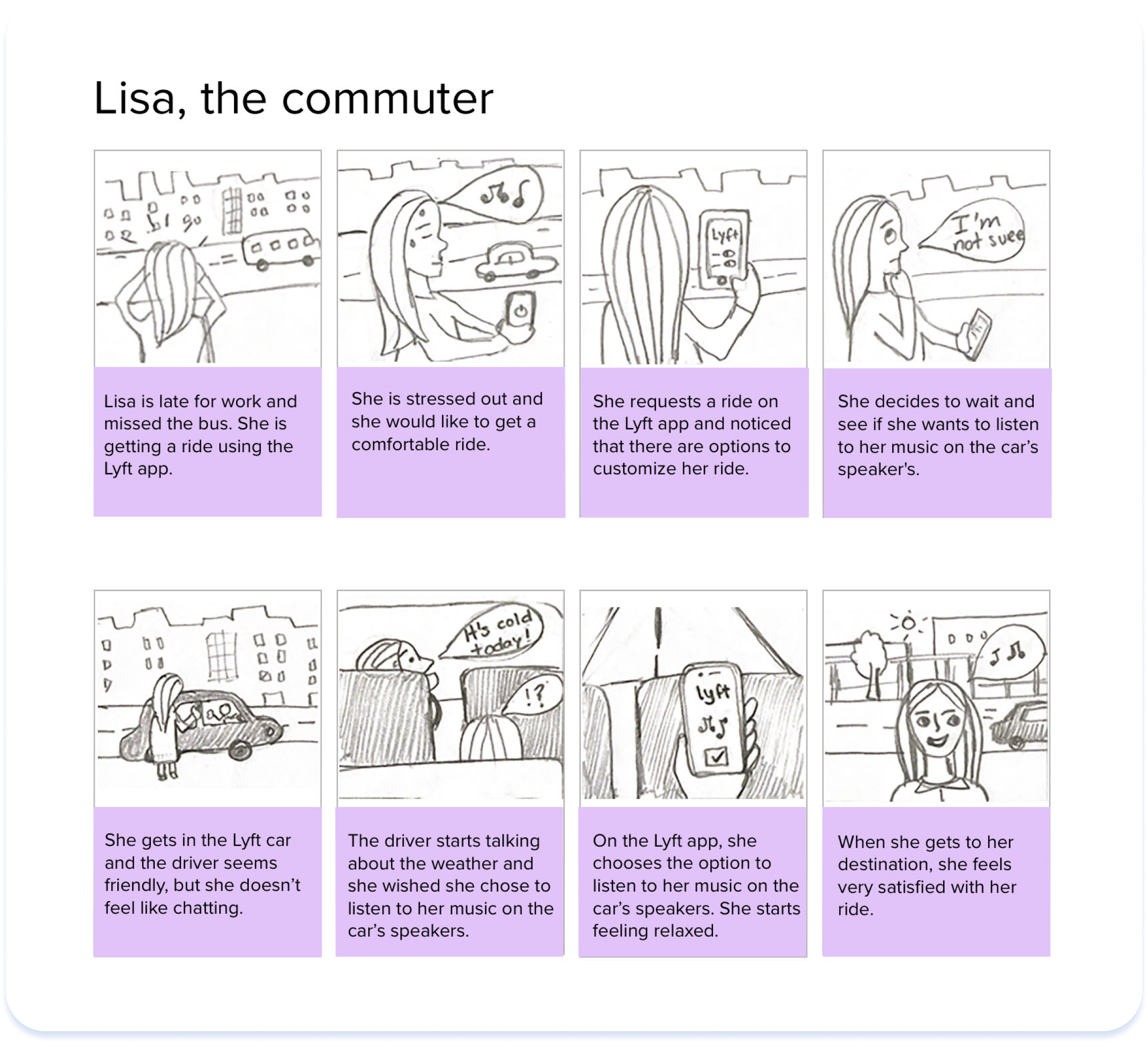
To give context to the use of the new feature and timeline, I created a storyboard where the persona is using the Lyft app and the new feature. Based on the previous research and persona, the options that this new feature would offer will be used by the user based on their mood and context when they are using Lyft.
Thinking about how the persona would react in certain situations led me to think about how I could incorporate this new feature in a way that would catch the attention of the user in an intuitive way instead of giving them an extra step in addition to their main task which is to request a ride.
“So I decided that this feature should be implemented in a way that would be catchy enough to attract the user to use it, but not too in their face that can annoyed them.”
Design
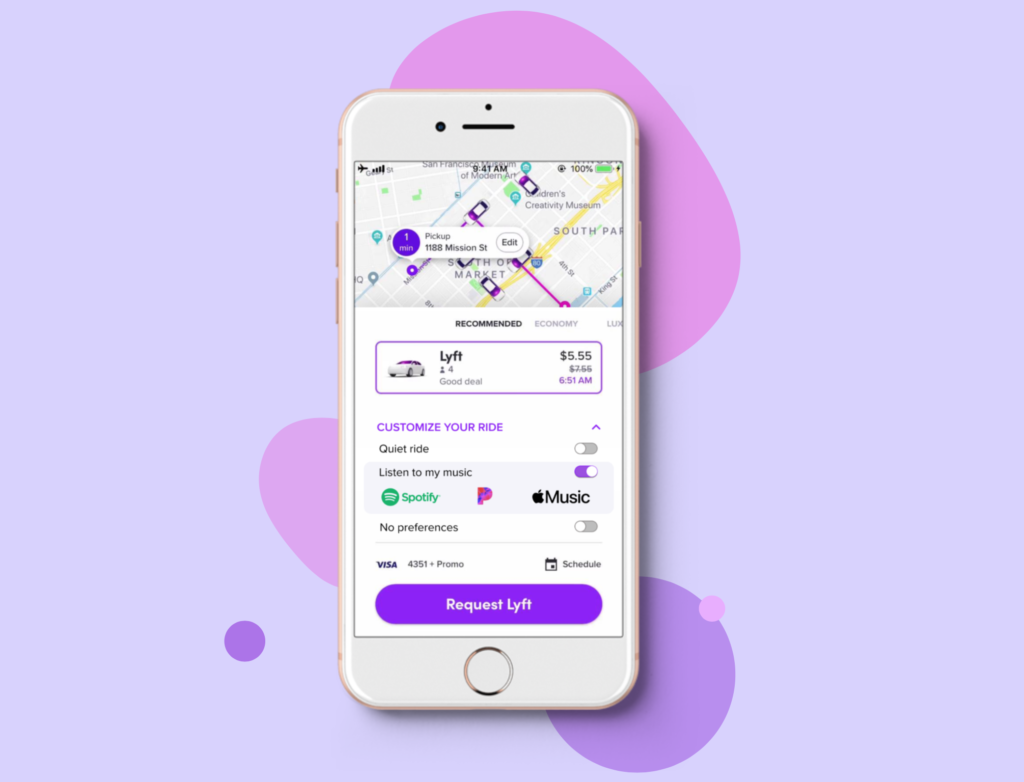
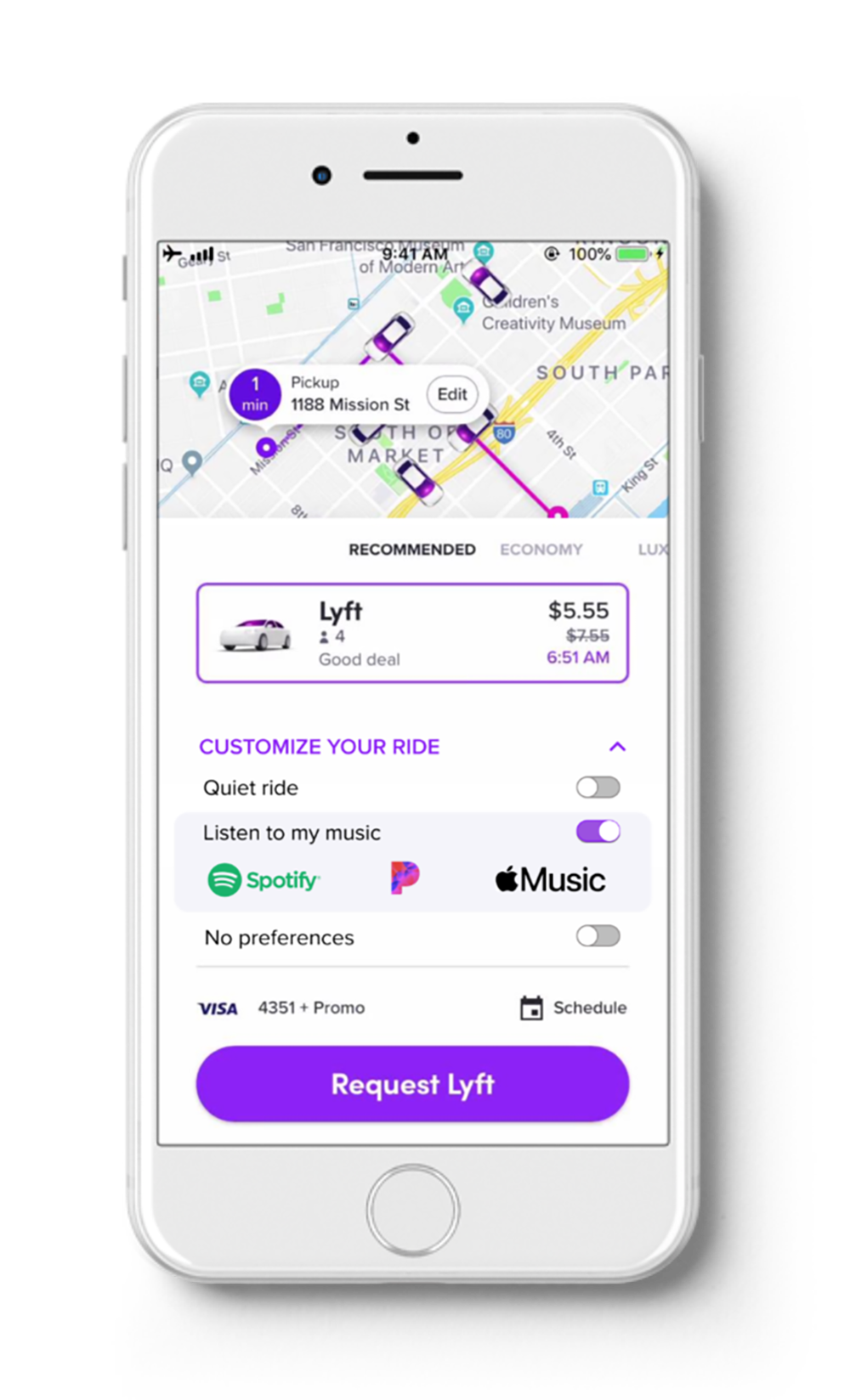
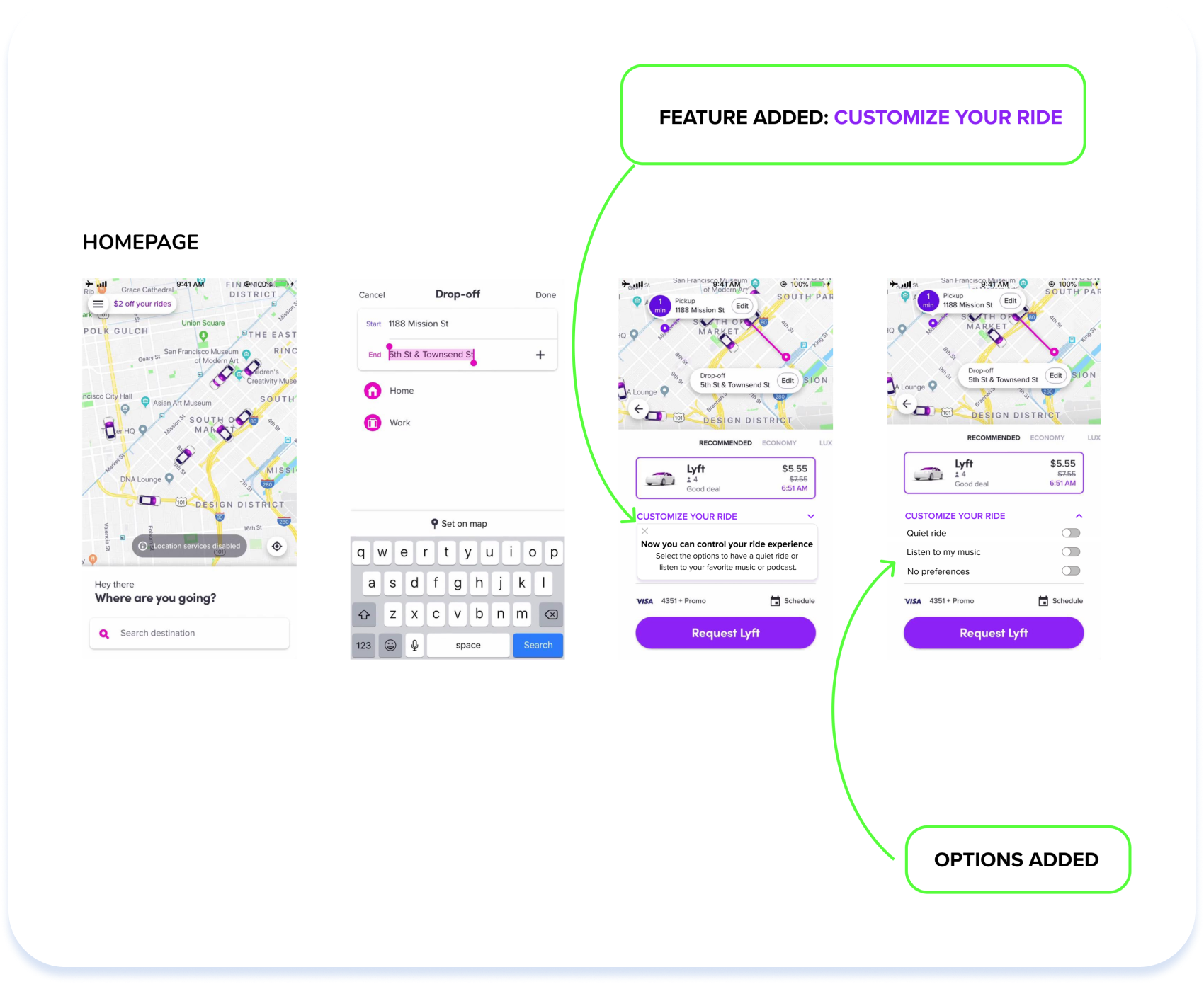
Following Lyft’s brand guidelines, I added the new feature “Customize your ride” to the price results page, right before they can request the ride.
This feature will be available to the rider during the ride as well.
ADDING A FEATURE TO THE iOS MOBILE APP CUSTOMIZE YOUR RIDE
quiet ride
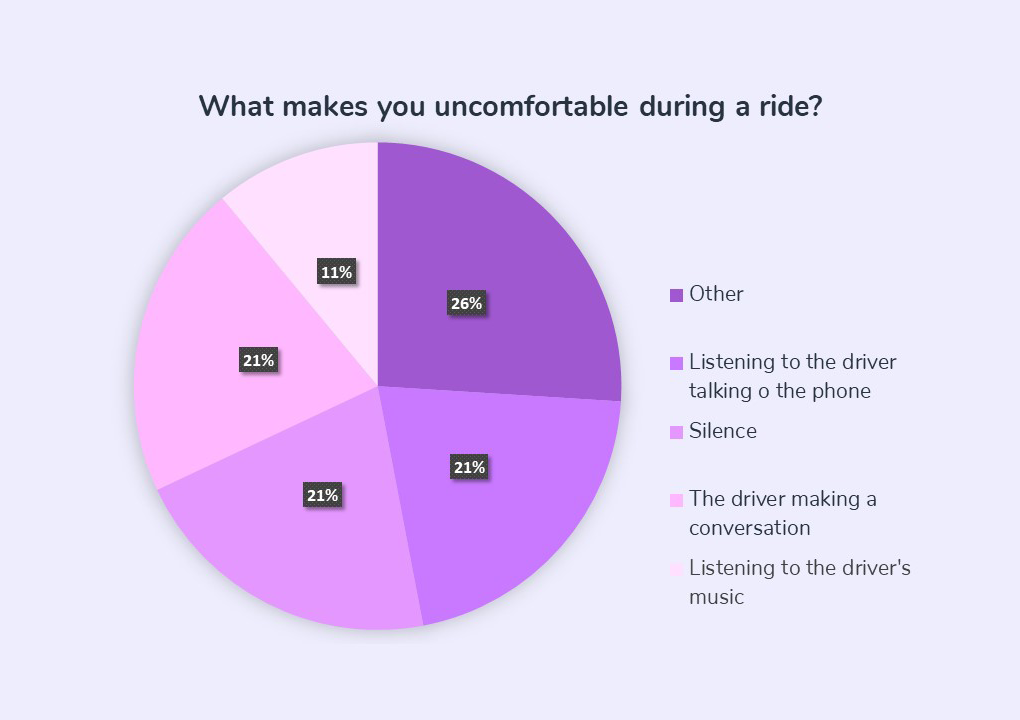
This option was added because the users complaint about the driver's music, driver chatting or driver talking on the phone. Based on the research, users would like to have this option.
listen to my music
Users have the option to select Spotify, Pandora, or Apple Music.
no preferences
This option gives the opportunity to the user to let the driver that they don't mind a chat or listening to the driver's music.
Hi-Fidelity Wireframes
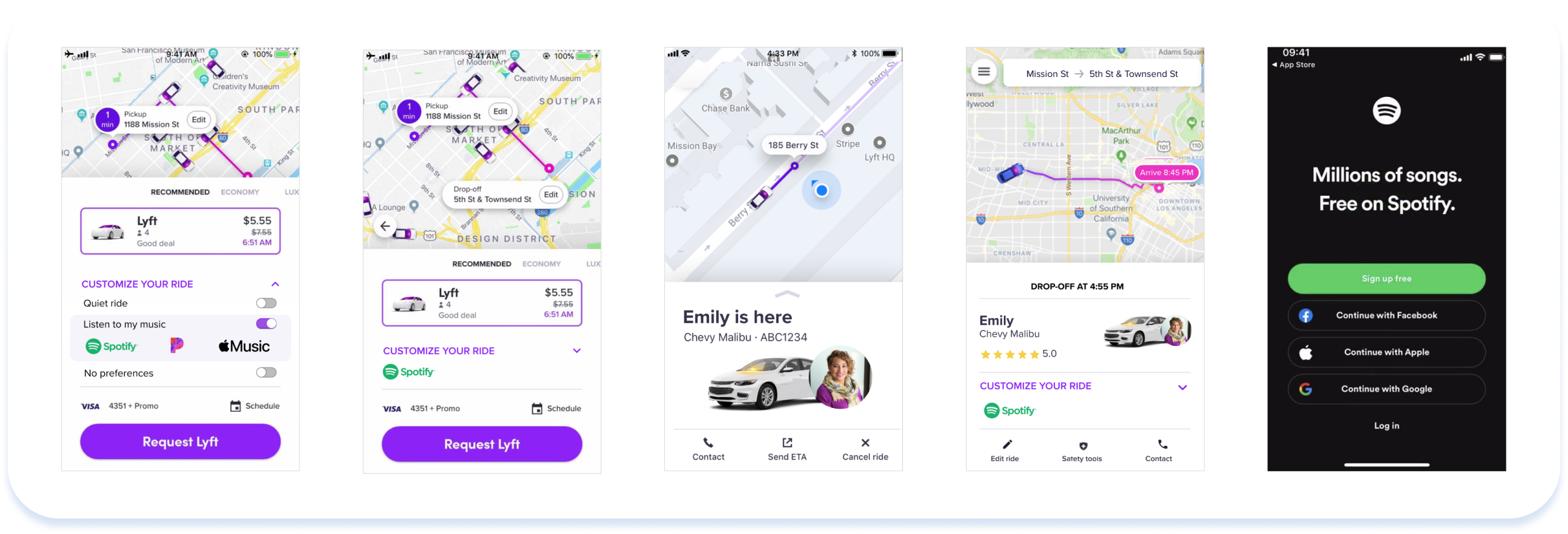
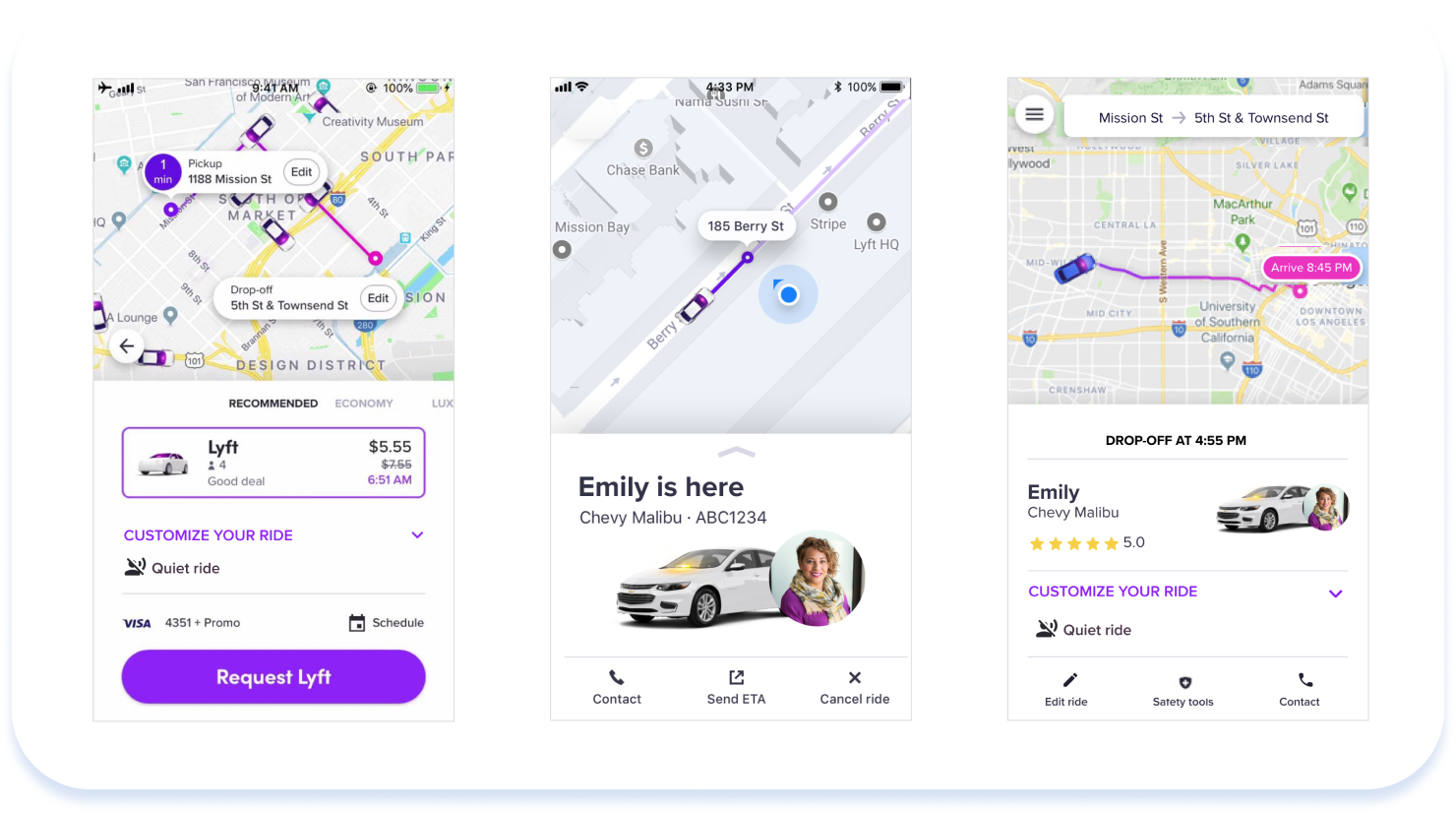
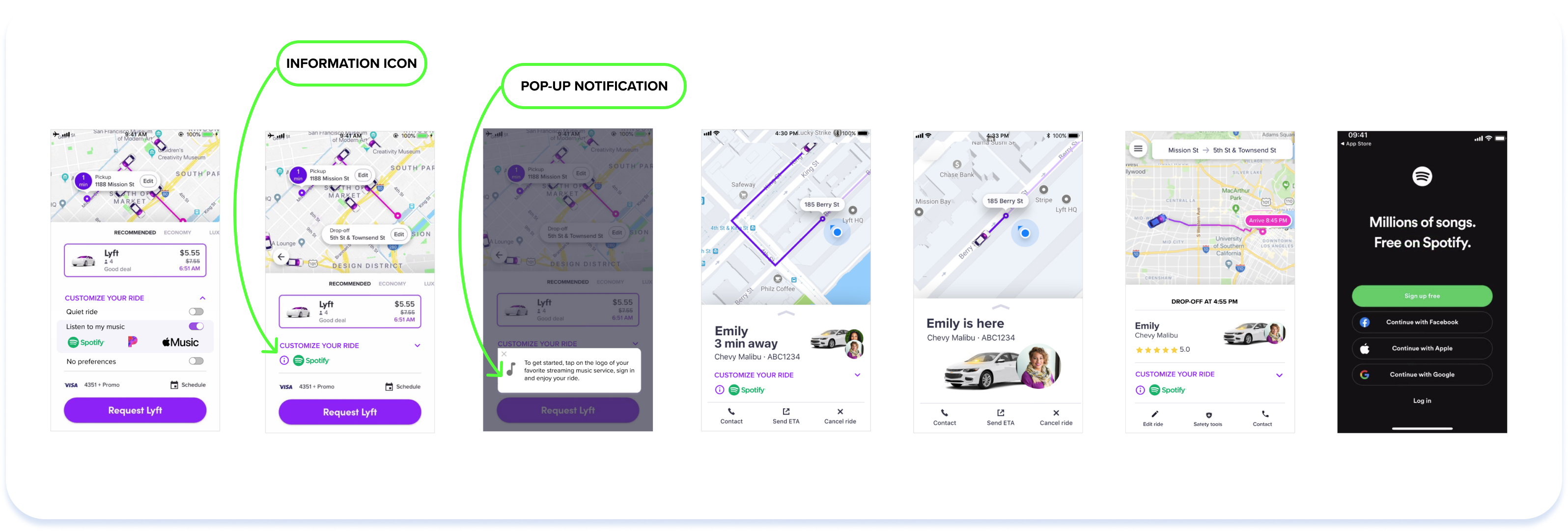
In these wireframes, I present the customize my ride feature and the three options that it contains followed by their respective pages that are displayed from requesting a ride to when the ride is happening.
Listen to my music feature flow
Listen to my music feature flow
Listen to my music feature flow
Usability Testing and Iteration
I ran a usability test to identify any flaws in the new feature added.
Usability Goals
Evaluate the behavior and reactions of the users when completing the tasks.
Identify pain points, opportunities, and successes.
Analyze the ease of the user flow throughout the design.
Usability Findings
Customize your ride feature
The use of this feature was defined as simple, intuitive, and straightforward.
They found this feature very powerful because that way they can control their ride experience based on their mood.
The notification about the new feature caught the attention of the participants. They said that even if they were in a hurry, they would read it because it seemed important and they were curious about it.
Some users said that the notification could have used a question to engage the user.
What users said about the customize options
QUIET RIDE
Participants liked having the quiet option when requesting the ride, but they wouldn’t use it during the ride because it could offend the driver, although it might be good to still have the option even then they said.
LISTEN TO MY MUSIC
They wanted more information or a hint about how they could start playing their music once they got in the Lyft car.
NO PREFERENCES
Participants were more compelled to use the other options.
Iterations and Next Steps
Since the usability test revealed that users weren’t sure about what to do to start playing their music through the car’s speakers, I added an information icon button that provides a hint of what to do to start playing the music in the car.
The next steps would be looking into adding a sort of video media player in the cars so users can enjoy their ride watching videos, this is something that was mentioned a lot in the usability test.
There was a lot of questions in terms of liability and feasibility about adding these feature to the Lyft app that wasn’t covered in the scope of this project. However, with the right amount of time, it would be very interesting to do more research about other options such as using Bluetooth to listen to music or podcast from other streaming services.
In Lyft, drivers are other types of users of Lyft and have a different app than the riders. It would be interesting to showcase how this feature would be implemented in their app.